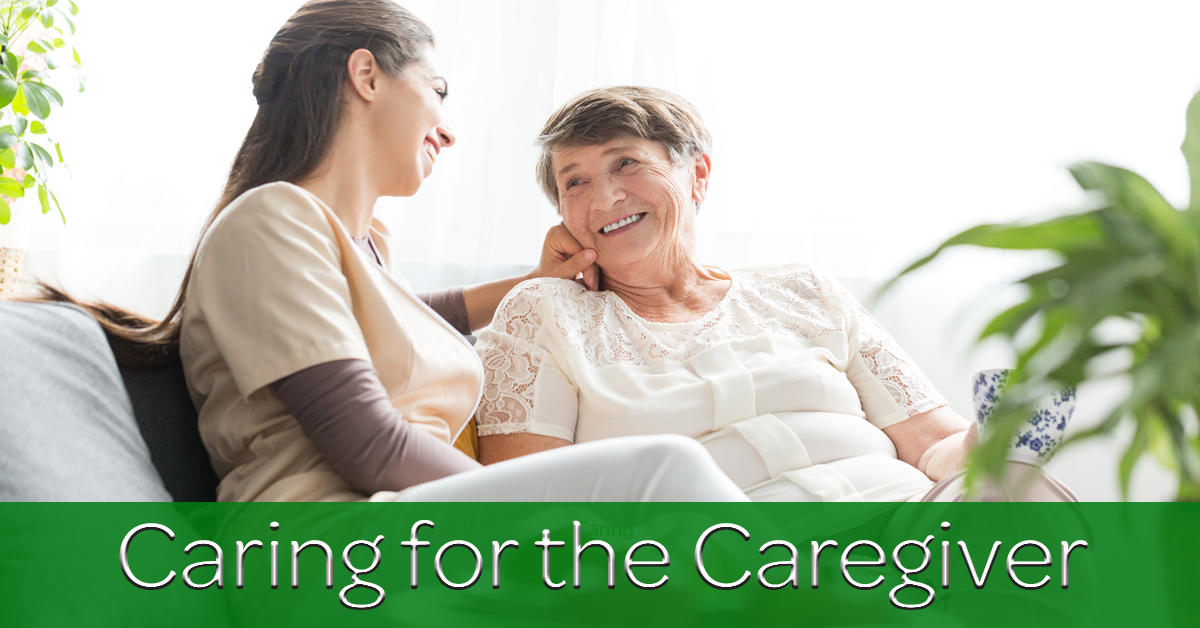
Every day, millions of people across the United States give care to people with mental and physical challenges. They range from family members to trained aides to nurses. No matter which category they are in there is always the risk for mental and physical exhaustion. Fortunately, there are steps and strategies one can use to prevent these things from happening.
Probably the most important thing to remember is to take care of yourself. While the person or persons you care for need attention, be sure to keep attention to your own health as it’s just as important as theirs. This means making sure you eat healthy, get enough sleep at night, and try to exercise. Even if it’s only 15 minutes a day, exercise can really improve one’s mood and physical functioning.
The above tips are mostly regarding physical health. However, psychological health is also important to take care of. There are ways to help make sure your mind stays in balance. One is to not ignore your emotions. Emotions are powerful things and they can also be dangerous if bottled up. If you’re feeling overwhelmed, try to reach out to someone you can trust and talk to them about it. Letting it out is better than keeping it in. Another way is to go outside. Fresh air and the outdoors have a way of rejuvenating the spirit. Finally take at least 15 minutes out of your day to just slow down. Reading, meditating, and praying are great ways to wind down after a stressful day. Consider joining a caregiver support group, either in person or online. Meeting other caregivers can help relieve the sense of isolation, knowing we are not alone.
Caregiving is not easy – not for the caregiver and not for the care recipient. Taking care of ourselves is one of the most important things we can do as a caregiver. Support is just a phone call away. Call today to discuss your loved one’s needs.