Author: SafeLife Home Health Care

  • Chocolate is Good for The Brain

    Chocolate is Good for The Brain

    Hot chocolate

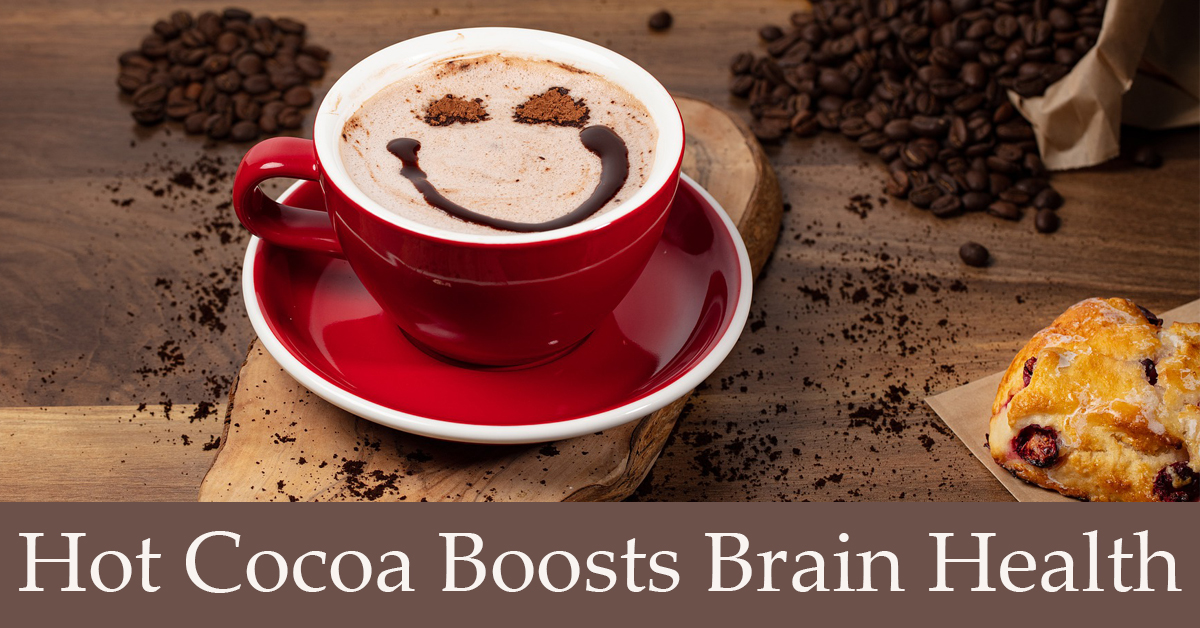
    We’ll drink to this: according to research, hot chocolate makes us smarter and faster thinkers. A study finds drinking cocoa is not just a popular choice, but it may also be a “smart” choice as well. A team at the University of Birmingham discovered that people given a cocoa drink containing high levels of flavanols were able to complete cognitive tasks more efficiently than when drinking a non-flavanol drink.

    The study examined 18 healthy men between 18 and 40 years old. The participants underwent a standard procedure to challenge the brain’s circulation that involved breathing 5% carbon dioxide – about 100 times the normal concentration found in the air. This produces an effect called hypercapnia. The men were subjected to a non-invasive method which uses light to see changes in the blood oxygenation levels. The researchers tracked how the group responded to the carbon dioxide after drinking flavanols. Each man received these tests twice, before and after having their cocoa.

    The study revealed that the participants drinking a flavanol-enriched beverage had the highest levels of blood oxygenation after experiencing hypercapnia. The cognitive exams revealed flavanol-enriched cocoa helped people perform better in mental challenges. The study found improvements in speed and accuracy when flavanol-enriched drinks were consumed over regular cocoa.

    So, sit back, relax, and enjoy a cup of hot chocolate. But for a fun note: as for the tiny, little marshmallows that so many of us dump into our hot chocolate, they do not factor into the health benefit.

    Source:   
    Socci V, Tempesta D, Desideri G, De Gennaro L, Ferrara M. Enhancing human cognition with cocoa flavonoids. Frontiers in Nutrition. 2017 May 16;4:19.

    Can drinking cocoa make you smarter? [Internet]. Birmingham.ac.uk. [cited 21021, Dec 02]. Available from: https://www.birmingham.ac.uk/news/latest/2020/11/can-drinking-cocoa-make-you-smarter.aspx
  • The Health Benefits of Reading

    The Health Benefits of Reading

    Seventy-five percent of adults

    Seventy-five percent of adults in the United States report reading at least one book in the past year. Perhaps this is due to the many benefits of reading. In addition to increasing your lifespan as detailed in our previous post, reading improves health and well-being in these additional ways.

    1. Slows cognitive decline – Numerous studies find that reading can help slow and even prevent cognitive decline. One such study shows that retirees who engage in mentally stimulating activities, such as reading and writing, are 2.5 times less likely to develop Alzheimer’s disease.
    2. Reduces stress – Stress can increase the risk of stroke and heart disease, but research shows that reading can reduce stress levels by as much as 68 percent. Participants in this study experienced a slowed heart rate and reduced muscle tension after reading silently for six minutes.
    3. Enhances social skills – A study published in journal Science, shows that people who read fiction have better “theory of mind.” This is the ability to understand people’s beliefs, desires, and thoughts that are different from their own.

    With these added health benefits, there is nothing quite like getting lost in a good book.

    Sources:

    1. Friedland R, Fritsch T, Smyth K, et al. Patients with Alzheimer’s disease have reduced activities in midlife compared with healthy control-group members. Proceedings of the National Academy of Sciences in the United States of America, 98 (6): 3440-3445.
    2. Lewis, D. (2009), Galaxy Stress Research, Mindlab International, Sussex University, UK
    3. Kidd DC, Castano E. Reading literary fiction improves theory of mind. Science, Oct 2013; DOI: 10.1126/science.1239918

  • Heart Healthy Foods to Try in Your Diet

    Heart Healthy Foods to Try in Your Diet

    Cardiovascular disease

    Around 92.1 million adults in the U.S. are living with cardiovascular disease or the aftereffect of stroke. It is a leading cause of death in the United States. It’s important to know some preventative measures for heart disease. One of those is diet. A balanced diet full of fruits and vegetables goes a long way. There are some specific foods that provide heart benefits as well. Below are some of those foods.

    • Salmon. It’s full of heart healthy omega-3 fatty acids. If that is not to your taste tuna, mackerel, and trout are good alternatives.
    • Berries such as raspberries, strawberries, and blueberries.
    • Walnuts. These can help cut down LDL cholesterol.
    • Fat-free or low-fat milk and yogurt. Dairy contains potassium which has a blood-pressure lowering effect.
    • Oatmeal. This contains certain fibers that lower LDL cholesterol.
    • Olive oil.
    • Dark beans such as kidney or black beans.
    • Tomatoes.
    • Broccoli.
    • Dark chocolate. In moderation and if it’s at least 70% cocoa.
    • Avocados.

    There are a lot of options when eating heart healthy. It can taste good and be good for you. There are more heart-healthy foods, but these are some suggestions to try. 

  • Finding the Right Balance

    Finding the Right Balance

    The holiday

    The holiday season means many different things to each of us. It can be a time of faith, family traditions, parties, gatherings, and culinary delights. All the hustle and bustle involved in getting everything done. It’s also a  good time to think about how we might approach the holidays differently for a loved one with Alzheimer’s or dementia. 

    Alzheimer’s

    Here are some tips to help loved ones with Alzheimer’s find joy in the holiday season this year.

    • Keep to their daily routine as much as possible

    • Consider modifying some of the family traditions

    • Involve the loved one in the holiday preparations

    • Simplify the decorating

    • Play favorite music

    • Keep outings brief

    • Provide a quiet place

    Make sure you and your loved ones get downtime to rest and recharge. Dealing with Alzheimer’s during the holidays can be trying for everyone.  It’s important not to commit to more than you can handle. After all, the holidays should bring joy to everyone involved.

  • How to Avoid Catching the Flu

    How to Avoid Catching the Flu

    Sneezing, coughing, watery eyes,

    Sneezing, coughing, watery eyes, runny nose, and more.  Sound familiar? About 10 to 20 percent of Americans will get Influenza, also called the flu, each year.  Most people feel better after one or two weeks.  However, for some people, the flu can lead to more serious diseases, such as pneumonia.

    Centers for Disease Control (CDC)

    According to the Centers for Disease Control and Prevention (CDC), the single best way to prevent seasonal flu is to get vaccinated each year. The flu vaccine works by exposing the immune system to an inactive form of the flu virus. This allows the body to build antibodies.  Getting a flu shot may reduce the risk of catching the flu and reduce the severity of infections, but it doesn’t protect from the common cold. 

    There are things that can be done to help lower the risk of catching colds and provide additional protection from the flu.

    • Get the flu vaccine!

    • Wash hands often with soap and water.

    • Avoid close contact with people who are sick.

    • Stay home when feeling sick.

  • November is National Home Care Month

    November is National Home Care Month

    In celebration of National Home Care Month, we would like to say thank you to all the dedicated employees who provide a special and attentive level of care that enables people to recuperate in the comfort of their own homes. 

    Respect or the men and women

    No words can express the amount of respect for the men and women who take care of others in their own homes.  The work can be physically and emotionally hard, and yet each challenge is met with delivering high-quality care in a non-familiar environment, day in and day out. 

    Home health

    As a home health care provider, we provide skilled nursing services and much more in the comfort of your own home.  Please give us a call if you or someone you love can benefit from home health care services.

    A special THANK YOU to all our dedicated team members. We appreciate you.

  • Fall Prevention Exercises

    Fall Prevention Exercises

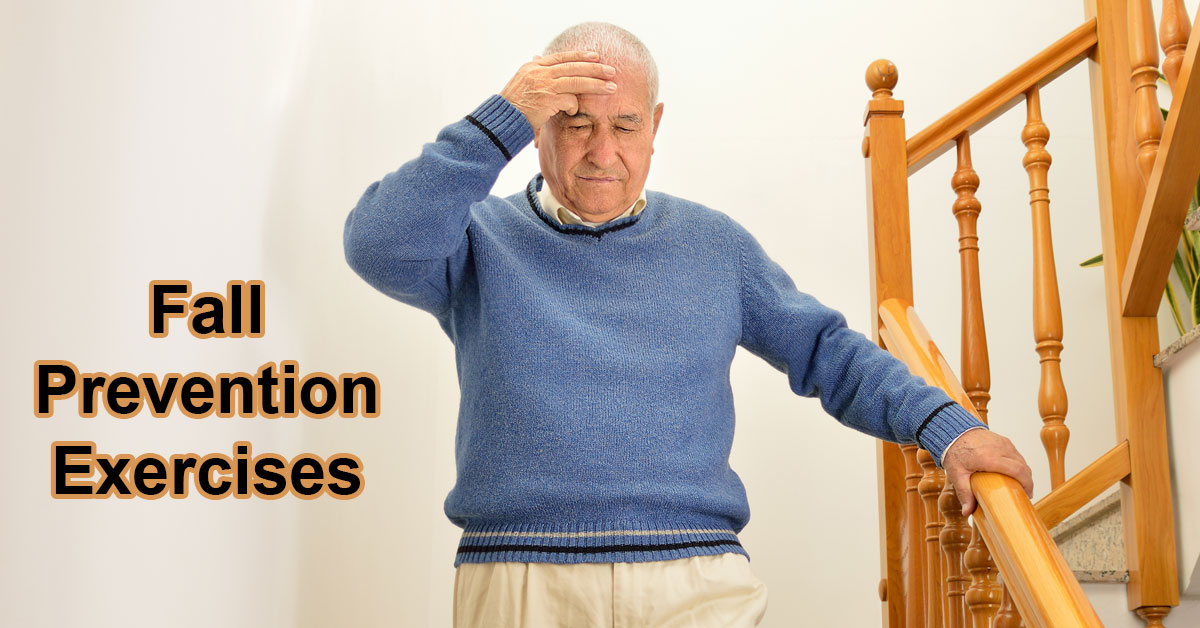
    Falls cause injury and disability, especially for people 65 and up. They are also all too common. Over one in four adults of that age experience a fall. The chief reason is muscle weakness. Exercise can help prevent that and help aid in other problem areas. However, before engaging in any exercise programs, people concerned about falling should consult their healthcare professional beforehand for safety concerns.

    If you have received clearance from a healthcare professional, here are two potential exercises.

    1. Heel-to-toe standing/walking: For this exercise, put your fingertips on something solid to keep balance. Then stand with the heel of one foot touching the toes of the other. Bend your knees slightly and stand still for 10 seconds.
    2. Knee raises: With fingertips on something solid to help balance, lift one knee to hip level. Hold this position for five seconds. Lower the leg and repeat with the opposite one. Do these 8 times with each leg.

    Falls can cause major health events in retirees. These, and other, exercises can help prevent falls. If you are concerned about falling, remember, we are here to help. We can provide home safety assessments, customized in-home rehab, medication reviews, and more. All with Medicare paying 100%.

  • Psoriatic Arthritis

    Psoriatic Arthritis

    Psoriatic arthritis (PsA) is inflammatory arthritis that occurs mainly in people with psoriasis. PsA is a chronic type of arthritis. It causes patches of red, raised skin, with white and silvery flakes. Psoriatic arthritis and psoriasis are autoimmune conditions. The immune system becomes confused and attacks healthy parts of the body.

    According to the National Psoriasis Foundation, PsA can start at any age, but often appears between ages 30 and 50. For most people, it can begin about 10 years after psoriasis begins. The foundation also says there is no cure. However, there are a growing number of treatments to help stop the disease progression, lessen pain, and protect joints. If left untreated PsA, can cause permanent joint damage.

    What are the symptoms of psoriatic arthritis?

    • Fatigue

    • Sausage-like swelling of fingers and toes

    • Stiffness, pain, and tenderness in one or more joints

    • Reduced range of motion

    • Changes to nails

    According to the Arthritis Foundation, treatment for PsA focuses on:

    • Stopping the progression
    • Reducing inflammation

    • Treating skin symptoms
    • Relieving pain

    • Keeping joints as mobile as possible

    Living with a chronic inflammatory condition can be challenging. Early diagnosis and treatment of psoriatic arthritis is the key to staying mobile and continuing a good quality life.

  • Dwindling Appetite

    Dwindling Appetite

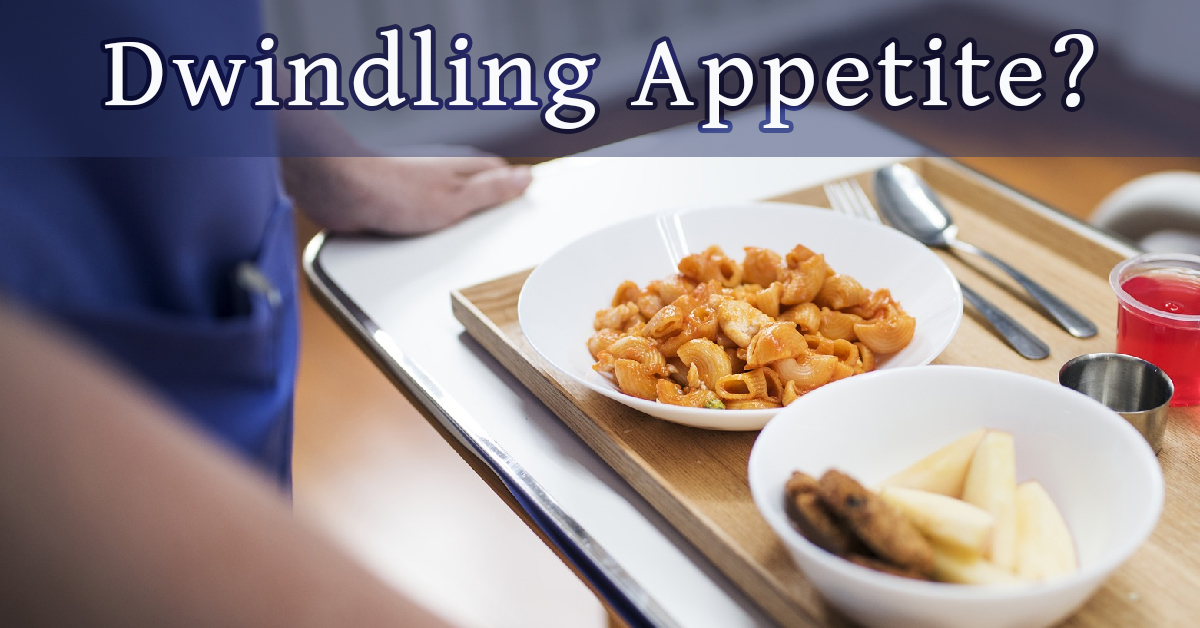
    If you have elderly loved ones, you may notice they are eating less and picking at their food. A gradual reduction in appetite with advancing age is not usually a cause for concern.  Most older adults will eat less because of lower energy requirements with advancing age.  

    There are several different reasons why seniors may lose their appetite, from aging to medications. Here are a few factors that may cause someone to skip meals.

    • Depression

    • Medication side effects

    • Lack of interest in eating alone

    • Chewing problems

    • Impaired senses

    • Lack of energy to cook

    Stimulating appetite in a senior can be accomplished by enjoying a meal together. Also, preparing meals that are bright, colorful and packed with vitamins and minerals. However, don’t overwhelm loved ones with large portions of food on their plate and deter them from eating altogether. Finally, set a schedule for eating meals at the same time throughout the day.

    Proper nutrition is essential at any age. While a loss of appetite is generally nothing to be concerned about, be sure to discuss any changes with a healthcare professional to rule out any potentially serious conditions.

  • Should I Be Screened?

    Should I Be Screened?

    Should I or shouldn’t I? That’s the question that men face when it comes to being screened for prostate cancer. According to the National Health Institute statistics, 11.6 percent of men will have prostate cancer at some point in their lives. As with all cancers, prevention and early detection is key. Prostate-specific antigen (PSA) testing has been an area of controversy in the medical community. This test measures the levels of PSA in the blood. The higher the level of PSA, the bigger the chance there is of having prostate cancer.

    The United States Preventative Services Task Force has advised against PSA testing for prostate cancer because of concerns that it can lead to over-treatment. They also argue that it’s not an effective screening method. A review published in the Annals of Internal Medicine is calling that guideline into question as they are presenting new evidence that PSA testing does, in fact, lower the risk of mortality from prostate cancer.

    They analyzed two major studies that argue against PSA screening using a new mathematical model. They measured the results against a control group of men who received no screening. With the new mathematical model, they showed that the screening reduced the risk of mortality by 25 to 32 percent. They are now saying that the guidelines about PSA screening should go under review considering the new findings.

    One of the senior researchers, Ruth Etzioni, states that, even if the guidelines get revised, the decision about PSA screening will continue to be an individual one for men as the other factors that argue against PSA screening will still exist.

    Source:
    Tsodikov A, et al. “Reconciling the Effects of Screening on Prostate Cancer Mortality in the ERSPC and PLCO Trials.” Annals of Internal Medicine. doi: 10.7326/M16-2586