
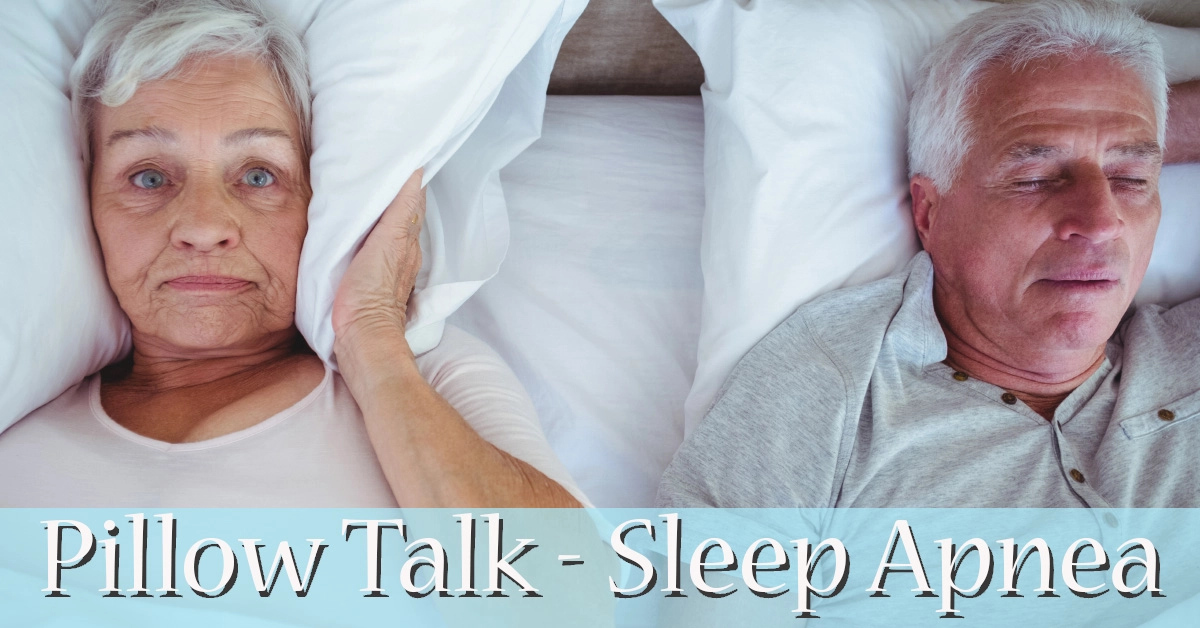
Sleeping beside someone who snores can be a challenge. The sounds of snoring is unmistakable – the often loud, harsh, or hoarse noise that vibrates well into the night could be a sign of sleep apnea. Obstructive sleep apnea (OSA) is a condition where a person’s breathing frequently pauses during sleep. One of the most noticeable symptoms of OSA is snoring – loudly. Other symptoms may include feeling tired after a full night’s sleep, sleep deprivation, insomnia, as well as weight gain and fatigue.
One of the most common methods used to diagnose sleep apnea is a sleep study, which may require an overnight stay at a sleep center. The sleep study monitors eye movement, muscle activity, heart rate, sleep state, airflow, and blood oxygen levels.
The treatment of choice for OSA is the continuous positive airway pressure device otherwise known as CPAP. CPAP is a mask that fits over the nose and/or mouth and gently blows air into the airway to help keep it open during sleep. Treatment may vary depending on the severity of the sleep apnea. Milder cases may be addressed with lifestyle changes such as:
• Losing weight
• Avoiding alcohol
• Quit smoking
• Exercise
• Sleeping on your side
Even though snoring is a huge indicator, not everyone with OSA snores. Speak to a health care provider to find out if CPAP or other treatments will work for you. Adopting healthy sleep habits is always a good idea such as sleeping in a dark, cool room and going to bed at the same time each night.