Day: September 4, 2026

  • Should I Be Screened?

    Should I Be Screened?

    Should I or shouldn’t I? That’s the question that men face when it comes to being screened for prostate cancer. According to the National Health Institute statistics, 11.6 percent of men will have prostate cancer at some point in their lives. As with all cancers, prevention and early detection is key. Prostate-specific antigen (PSA) testing has been an area of controversy in the medical community. This test measures the levels of PSA in the blood. The higher the level of PSA, the bigger the chance there is of having prostate cancer.

    The United States Preventative Services Task Force has advised against PSA testing for prostate cancer because of concerns that it can lead to over-treatment. They also argue that it’s not an effective screening method. A review published in the Annals of Internal Medicine is calling that guideline into question as they are presenting new evidence that PSA testing does, in fact, lower the risk of mortality from prostate cancer.

    They analyzed two major studies that argue against PSA screening using a new mathematical model. They measured the results against a control group of men who received no screening. With the new mathematical model, they showed that the screening reduced the risk of mortality by 25 to 32 percent. They are now saying that the guidelines about PSA screening should go under review considering the new findings.

    One of the senior researchers, Ruth Etzioni, states that, even if the guidelines get revised, the decision about PSA screening will continue to be an individual one for men as the other factors that argue against PSA screening will still exist.

    Source:
    Tsodikov A, et al. “Reconciling the Effects of Screening on Prostate Cancer Mortality in the ERSPC and PLCO Trials.” Annals of Internal Medicine. doi: 10.7326/M16-2586
  • Pillow Talk – Discussing Sleep Apnea

    Pillow Talk – Discussing Sleep Apnea

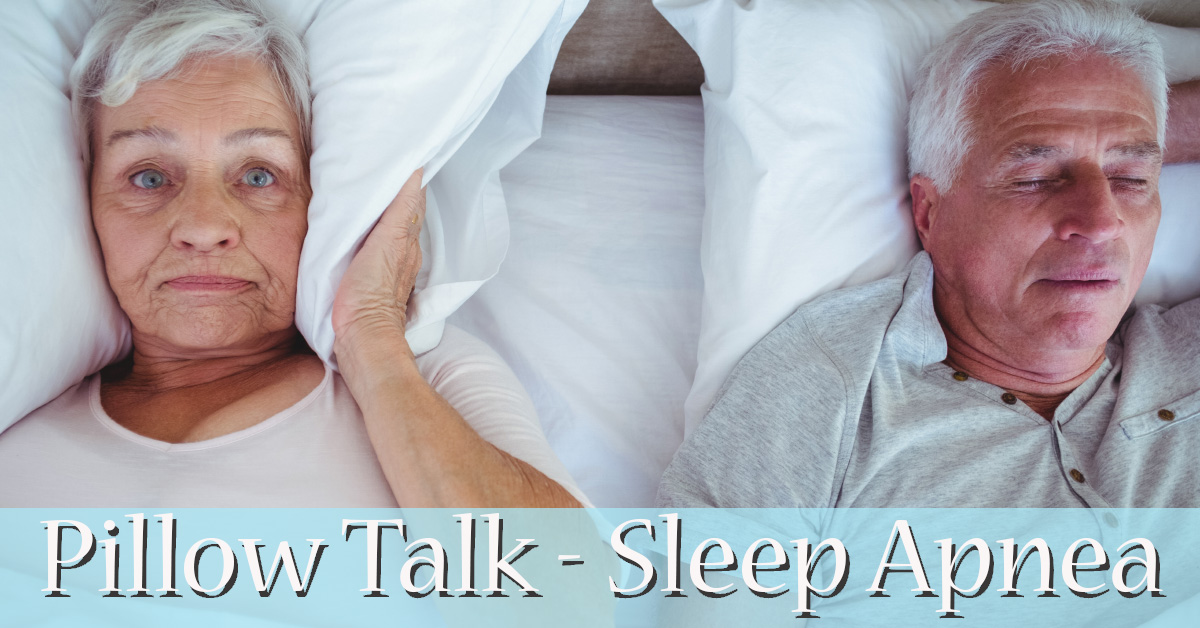
    Sleeping beside someone who snores can be a challenge. The sounds of snoring is unmistakable – the often loud, harsh, or hoarse noise that vibrates well into the night could be a sign of sleep apnea. Obstructive sleep apnea (OSA) is a condition where a person’s breathing frequently pauses during sleep. One of the most noticeable symptoms of OSA is snoring – loudly. Other symptoms may include feeling tired after a full night’s sleep, sleep deprivation, insomnia, as well as weight gain and fatigue.

    One of the most common methods used to diagnose sleep apnea is a sleep study, which may require an overnight stay at a sleep center. The sleep study monitors eye movement, muscle activity, heart rate, sleep state, airflow, and blood oxygen levels.  

    The treatment of choice for OSA is the continuous positive airway pressure device otherwise known as CPAP. CPAP is a mask that fits over the nose and/or mouth and gently blows air into the airway to help keep it open during sleep. Treatment may vary depending on the severity of the sleep apnea. Milder cases may be addressed with lifestyle changes such as:

    • Losing weight

    • Avoiding alcohol

    • Quit smoking

    • Exercise

    • Sleeping on your side

    Even though snoring is a huge indicator, not everyone with OSA snores.  Speak to a health care provider to find out if CPAP or other treatments will work for you. Adopting healthy sleep habits is always a good idea such as sleeping in a dark, cool room and going to bed at the same time each night.

  • Taking Care of Yourself

    Taking Care of Yourself

    Every day, millions of people across the United States give care to people with mental and physical challenges. They range from family members to trained aides to nurses. No matter which category they are in there is always the risk for mental and physical exhaustion. Fortunately, there are steps and strategies one can use to prevent these things from happening.

    Probably the most important thing to remember is to take care of yourself. While the person or persons you care for need attention, be sure to keep attention to your own health as it’s just as important as theirs. This means making sure you eat healthy, get enough sleep at night, and try to exercise. Even if it’s only 15 minutes a day, exercise can really improve one’s mood and physical functioning.

    The above tips are mostly regarding physical health. However, psychological health is also important to take care of. There are ways to help make sure your mind stays in balance. One is to not ignore your emotions. Emotions are powerful things and they can also be dangerous if bottled up. If you’re feeling overwhelmed, try to reach out to someone you can trust and talk to them about it. Letting it out is better than keeping it in. Another way is to go outside. Fresh air and the outdoors have a way of rejuvenating the spirit. Finally take at least 15 minutes out of your day to just slow down. Reading, meditating, and praying are great ways to wind down after a stressful day. Consider joining a caregiver support group, either in person or online. Meeting other caregivers can help relieve the sense of isolation, knowing we are not alone.

    Caregiving is not easy – not for the caregiver and not for the care recipient. Taking care of ourselves is one of the most important things we can do as a caregiver. Support is just a phone call away. Call today to discuss your loved one’s needs.  

  • Keeping Healthy During Winter

    Keeping Healthy During Winter

    Winter can affect one’s health in myriad ways. It’s important to know these effects so we can better mitigate them.

    These are some common examples of how winter weather can affect a person’s health:

    • During the winter, more time is spent indoors in response to the cold. This is not best for the immune system, and the risk of catching disease increases. Being indoors more often can lead to vitamin D deficiency which leads to muscle weakness, greater pain sensitivity, and sleepiness.
    • Cold weather can narrow the blood vessels, which causes the heart to work harder. This raises the risk of heart attacks. The narrowing of blood vessels also can cause headaches.
    • The dry, winter air leaves the skin cracked and parched, which can lead to itchiness and flaky skin.
    • The cooler air lowers body temperature and causes risk for hypothermia. This is especially true in older adults.

    Action can be taken to counter the health effects of winter weather such as bundling up and dressing in layers when going outside, moisturizing the skin, and keeping tabs on vitamin D levels. Taking proper care during the cold, sometimes brutal, winter season can ensure both healthiness and happiness.