Category: Uncategorized

  • November is National Home Care Month

    November is National Home Care Month

    In celebration of National Home Care Month, we would like to say thank you to all the dedicated employees who provide a special and attentive level of care that enables people to recuperate in the comfort of their own homes. 

    Respect or the men and women

    No words can express the amount of respect for the men and women who take care of others in their own homes.  The work can be physically and emotionally hard, and yet each challenge is met with delivering high-quality care in a non-familiar environment, day in and day out. 

    Home health

    As a home health care provider, we provide skilled nursing services and much more in the comfort of your own home.  Please give us a call if you or someone you love can benefit from home health care services.

    A special THANK YOU to all our dedicated team members. We appreciate you.

  • Fall Prevention Exercises

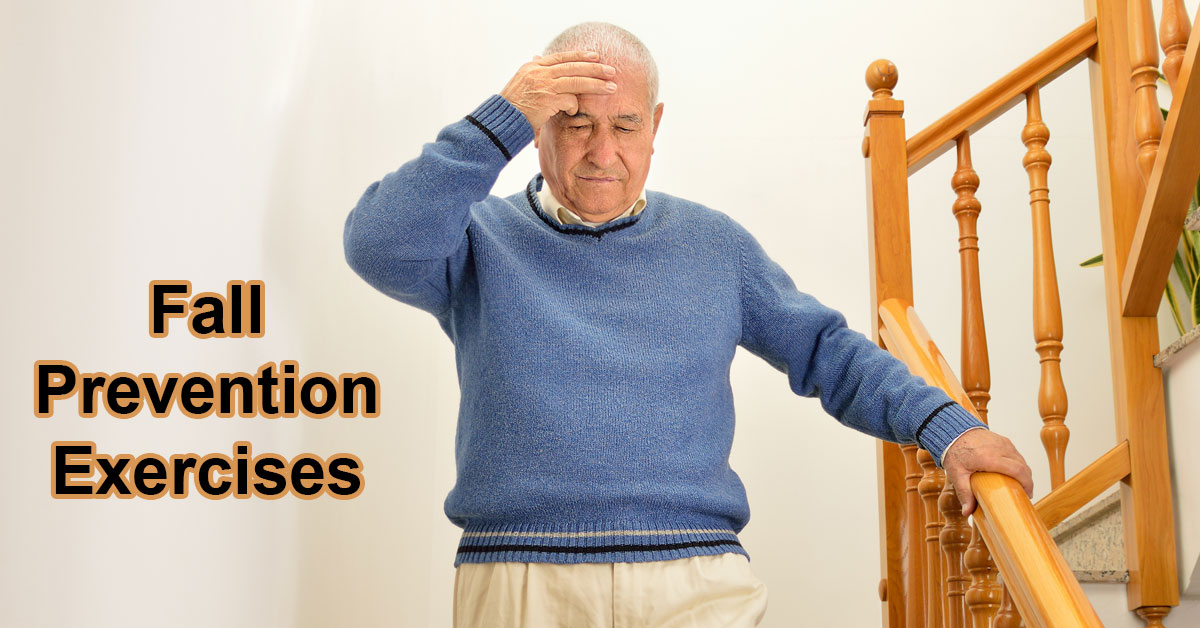
    Fall Prevention Exercises

    Falls cause injury and disability, especially for people 65 and up. They are also all too common. Over one in four adults of that age experience a fall. The chief reason is muscle weakness. Exercise can help prevent that and help aid in other problem areas. However, before engaging in any exercise programs, people concerned about falling should consult their healthcare professional beforehand for safety concerns.

    If you have received clearance from a healthcare professional, here are two potential exercises.

    1. Heel-to-toe standing/walking: For this exercise, put your fingertips on something solid to keep balance. Then stand with the heel of one foot touching the toes of the other. Bend your knees slightly and stand still for 10 seconds.
    2. Knee raises: With fingertips on something solid to help balance, lift one knee to hip level. Hold this position for five seconds. Lower the leg and repeat with the opposite one. Do these 8 times with each leg.

    Falls can cause major health events in retirees. These, and other, exercises can help prevent falls. If you are concerned about falling, remember, we are here to help. We can provide home safety assessments, customized in-home rehab, medication reviews, and more. All with Medicare paying 100%.

  • Psoriatic Arthritis

    Psoriatic Arthritis

    Psoriatic arthritis (PsA) is inflammatory arthritis that occurs mainly in people with psoriasis. PsA is a chronic type of arthritis. It causes patches of red, raised skin, with white and silvery flakes. Psoriatic arthritis and psoriasis are autoimmune conditions. The immune system becomes confused and attacks healthy parts of the body.

    According to the National Psoriasis Foundation, PsA can start at any age, but often appears between ages 30 and 50. For most people, it can begin about 10 years after psoriasis begins. The foundation also says there is no cure. However, there are a growing number of treatments to help stop the disease progression, lessen pain, and protect joints. If left untreated PsA, can cause permanent joint damage.

    What are the symptoms of psoriatic arthritis?

    • Fatigue

    • Sausage-like swelling of fingers and toes

    • Stiffness, pain, and tenderness in one or more joints

    • Reduced range of motion

    • Changes to nails

    According to the Arthritis Foundation, treatment for PsA focuses on:

    • Stopping the progression
    • Reducing inflammation

    • Treating skin symptoms
    • Relieving pain

    • Keeping joints as mobile as possible

    Living with a chronic inflammatory condition can be challenging. Early diagnosis and treatment of psoriatic arthritis is the key to staying mobile and continuing a good quality life.

  • Dwindling Appetite

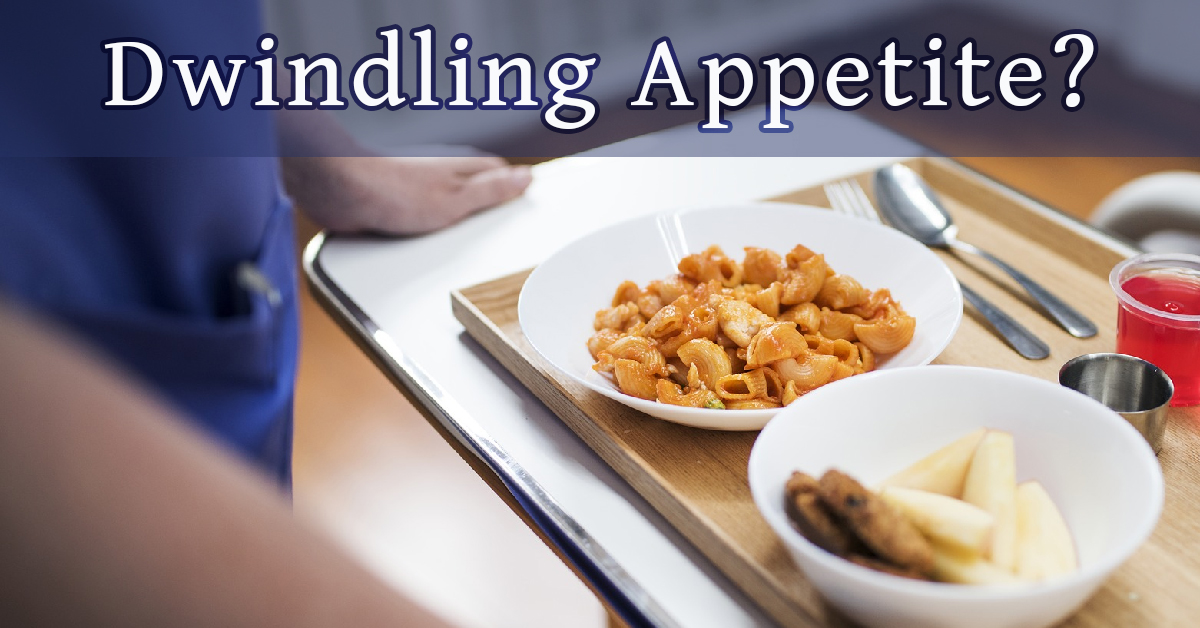
    Dwindling Appetite

    If you have elderly loved ones, you may notice they are eating less and picking at their food. A gradual reduction in appetite with advancing age is not usually a cause for concern.  Most older adults will eat less because of lower energy requirements with advancing age.  

    There are several different reasons why seniors may lose their appetite, from aging to medications. Here are a few factors that may cause someone to skip meals.

    • Depression

    • Medication side effects

    • Lack of interest in eating alone

    • Chewing problems

    • Impaired senses

    • Lack of energy to cook

    Stimulating appetite in a senior can be accomplished by enjoying a meal together. Also, preparing meals that are bright, colorful and packed with vitamins and minerals. However, don’t overwhelm loved ones with large portions of food on their plate and deter them from eating altogether. Finally, set a schedule for eating meals at the same time throughout the day.

    Proper nutrition is essential at any age. While a loss of appetite is generally nothing to be concerned about, be sure to discuss any changes with a healthcare professional to rule out any potentially serious conditions.

  • Should I Be Screened?

    Should I Be Screened?

    Should I or shouldn’t I? That’s the question that men face when it comes to being screened for prostate cancer. According to the National Health Institute statistics, 11.6 percent of men will have prostate cancer at some point in their lives. As with all cancers, prevention and early detection is key. Prostate-specific antigen (PSA) testing has been an area of controversy in the medical community. This test measures the levels of PSA in the blood. The higher the level of PSA, the bigger the chance there is of having prostate cancer.

    The United States Preventative Services Task Force has advised against PSA testing for prostate cancer because of concerns that it can lead to over-treatment. They also argue that it’s not an effective screening method. A review published in the Annals of Internal Medicine is calling that guideline into question as they are presenting new evidence that PSA testing does, in fact, lower the risk of mortality from prostate cancer.

    They analyzed two major studies that argue against PSA screening using a new mathematical model. They measured the results against a control group of men who received no screening. With the new mathematical model, they showed that the screening reduced the risk of mortality by 25 to 32 percent. They are now saying that the guidelines about PSA screening should go under review considering the new findings.

    One of the senior researchers, Ruth Etzioni, states that, even if the guidelines get revised, the decision about PSA screening will continue to be an individual one for men as the other factors that argue against PSA screening will still exist.

    Source:
    Tsodikov A, et al. “Reconciling the Effects of Screening on Prostate Cancer Mortality in the ERSPC and PLCO Trials.” Annals of Internal Medicine. doi: 10.7326/M16-2586

  • Pillow Talk – Discussing Sleep Apnea

    Pillow Talk – Discussing Sleep Apnea

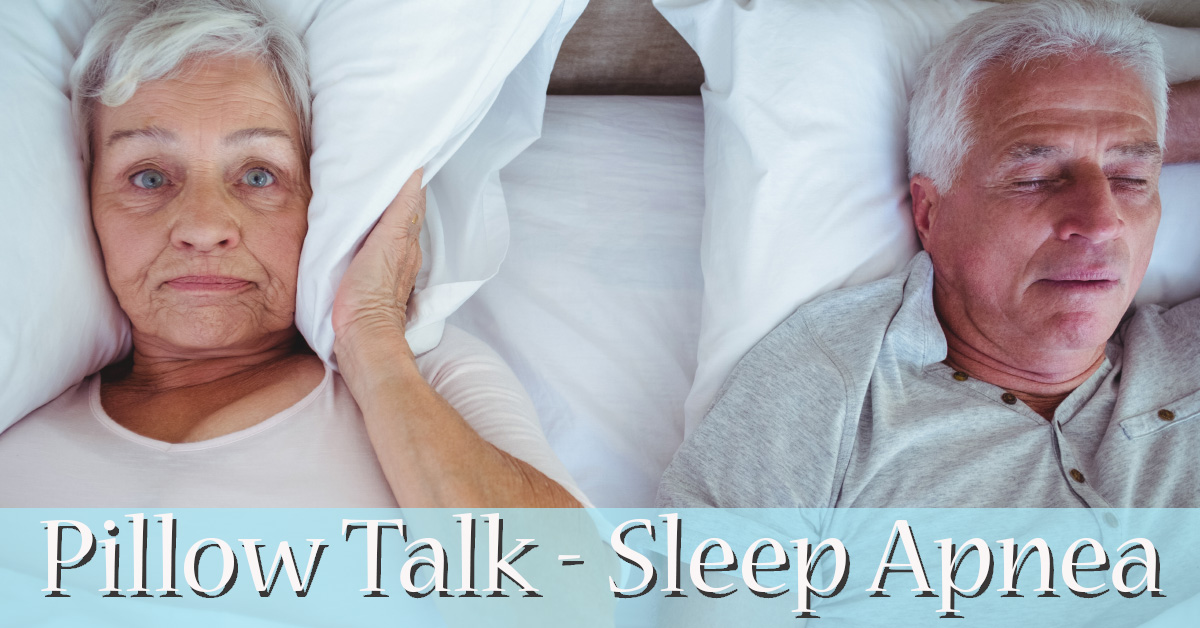
    Sleeping beside someone who snores can be a challenge. The sounds of snoring is unmistakable – the often loud, harsh, or hoarse noise that vibrates well into the night could be a sign of sleep apnea. Obstructive sleep apnea (OSA) is a condition where a person’s breathing frequently pauses during sleep. One of the most noticeable symptoms of OSA is snoring – loudly. Other symptoms may include feeling tired after a full night’s sleep, sleep deprivation, insomnia, as well as weight gain and fatigue.

    One of the most common methods used to diagnose sleep apnea is a sleep study, which may require an overnight stay at a sleep center. The sleep study monitors eye movement, muscle activity, heart rate, sleep state, airflow, and blood oxygen levels.  

    The treatment of choice for OSA is the continuous positive airway pressure device otherwise known as CPAP. CPAP is a mask that fits over the nose and/or mouth and gently blows air into the airway to help keep it open during sleep. Treatment may vary depending on the severity of the sleep apnea. Milder cases may be addressed with lifestyle changes such as:

    • Losing weight

    • Avoiding alcohol

    • Quit smoking

    • Exercise

    • Sleeping on your side

    Even though snoring is a huge indicator, not everyone with OSA snores.  Speak to a health care provider to find out if CPAP or other treatments will work for you. Adopting healthy sleep habits is always a good idea such as sleeping in a dark, cool room and going to bed at the same time each night.

  • Taking Care of Yourself

    Taking Care of Yourself

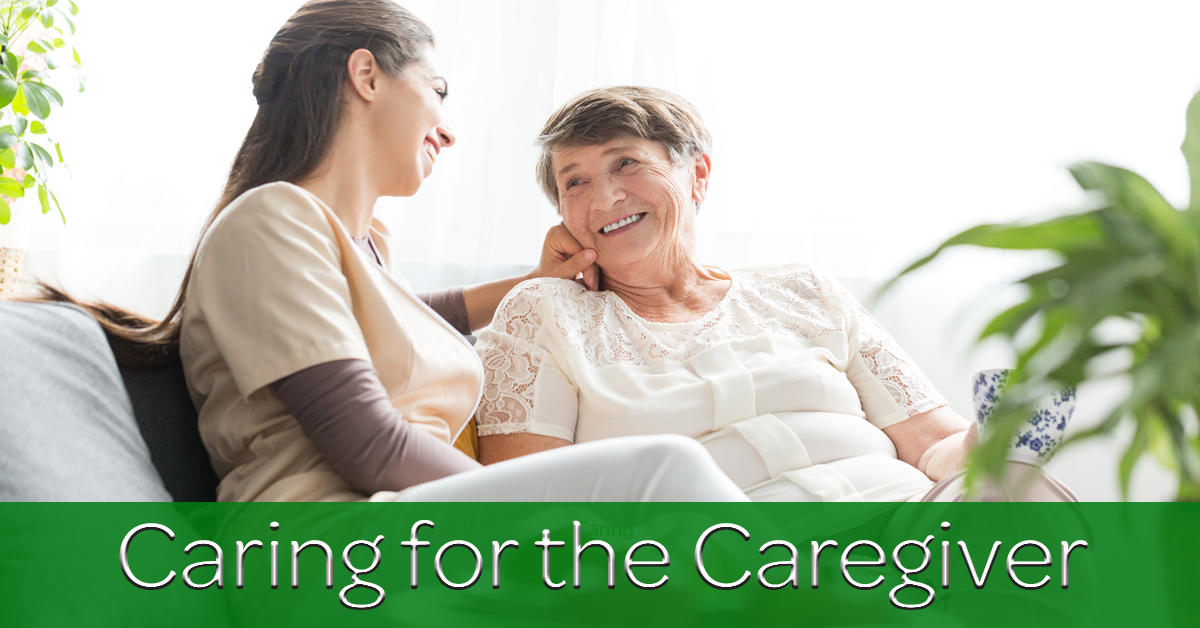
    Every day, millions of people across the United States give care to people with mental and physical challenges. They range from family members to trained aides to nurses. No matter which category they are in there is always the risk for mental and physical exhaustion. Fortunately, there are steps and strategies one can use to prevent these things from happening.

    Probably the most important thing to remember is to take care of yourself. While the person or persons you care for need attention, be sure to keep attention to your own health as it’s just as important as theirs. This means making sure you eat healthy, get enough sleep at night, and try to exercise. Even if it’s only 15 minutes a day, exercise can really improve one’s mood and physical functioning.

    The above tips are mostly regarding physical health. However, psychological health is also important to take care of. There are ways to help make sure your mind stays in balance. One is to not ignore your emotions. Emotions are powerful things and they can also be dangerous if bottled up. If you’re feeling overwhelmed, try to reach out to someone you can trust and talk to them about it. Letting it out is better than keeping it in. Another way is to go outside. Fresh air and the outdoors have a way of rejuvenating the spirit. Finally take at least 15 minutes out of your day to just slow down. Reading, meditating, and praying are great ways to wind down after a stressful day. Consider joining a caregiver support group, either in person or online. Meeting other caregivers can help relieve the sense of isolation, knowing we are not alone.

    Caregiving is not easy – not for the caregiver and not for the care recipient. Taking care of ourselves is one of the most important things we can do as a caregiver. Support is just a phone call away. Call today to discuss your loved one’s needs.  

  • Keeping Healthy During Winter

    Keeping Healthy During Winter

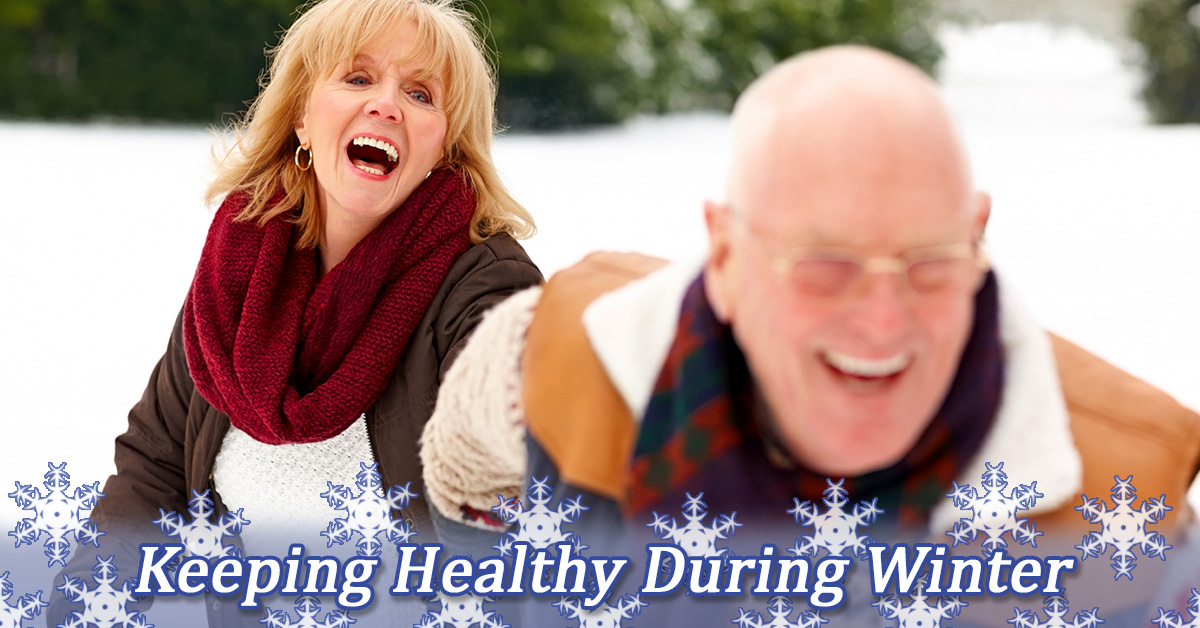
    Winter can affect one’s health in myriad ways. It’s important to know these effects so we can better mitigate them.

    These are some common examples of how winter weather can affect a person’s health:

    • During the winter, more time is spent indoors in response to the cold. This is not best for the immune system, and the risk of catching disease increases. Being indoors more often can lead to vitamin D deficiency which leads to muscle weakness, greater pain sensitivity, and sleepiness.
    • Cold weather can narrow the blood vessels, which causes the heart to work harder. This raises the risk of heart attacks. The narrowing of blood vessels also can cause headaches.
    • The dry, winter air leaves the skin cracked and parched, which can lead to itchiness and flaky skin.
    • The cooler air lowers body temperature and causes risk for hypothermia. This is especially true in older adults.

    Action can be taken to counter the health effects of winter weather such as bundling up and dressing in layers when going outside, moisturizing the skin, and keeping tabs on vitamin D levels. Taking proper care during the cold, sometimes brutal, winter season can ensure both healthiness and happiness.

  • What’s Driving Home Health Care Demand in 2025

    What’s Driving Home Health Care Demand in 2025

    1. Demographic Shifts & Aging-In-Place Preferences

    By 2030, nearly 1 in 5 Americans will be age 65 or older, sparking massive demand for home-based care services. Meanwhile, nearly 90% of seniors prefer aging in place at home rather than relocating to institutional settings.

    2. Workforce Gaps and Caregiver Shortages

    Despite booming demand, the home health workforce is under strain: agencies across the U.S. report caregiver shortages, and labor growth still lags behind aging population needs. Additionally, policy shifts—like tighter immigration rules—are diminishing the pipeline of foreign-born caregivers, deepening the staffing crisis.

    3. Rise of Hospital-at-Home and Post-Acute Care Models

    “Hospital-at-home” programs are gaining traction: over 350 U.S. hospitals now deliver hospital-level care in patients’ homes, including nursing support, remote monitoring, and physician follow-ups. These more comfortable, lower-cost models are reducing rehospitalization and improving patient satisfaction.

    4. Technologies Transforming Home-Based Care

    Health technology adoption is fast accelerating:

    • Telehomecare and Remote Patient Monitoring (RPM) are now standard tools for managing chronic conditions like heart failure and diabetes at home.
    • AI and automation tools—from e‑visit verification to scheduling optimization—help agencies deliver more efficient care, even amid labor shortages.

    5. Financial Pressures & Affordability

    Home-based care remains significantly cheaper than institutional options—but costs are rising due to inflation and regulatory challenges. Over 64% of agencies cite high consumer costs as key growth barriers. Meanwhile, value-based care models and reimbursement adjustments in Medicare and Medicaid are shaping how home health is delivered and funded.

    Looking Ahead

    The future of home health is patient-centered, tech-enabled, and deeply tied to community-based care models. Despite challenges like workforce instability and financial pressures, agencies that embrace technology, value-based outcomes, and service diversity will lead the way—and continue raising quality of life for those aging at home.

    Disclaimer

    Statistics and insights were derived from public sources including Deloitte Insights, McKinsey, NCHStats, GlobalOne, and others cited throughout this post. Content is informational and not meant as medical or legal advice.